History
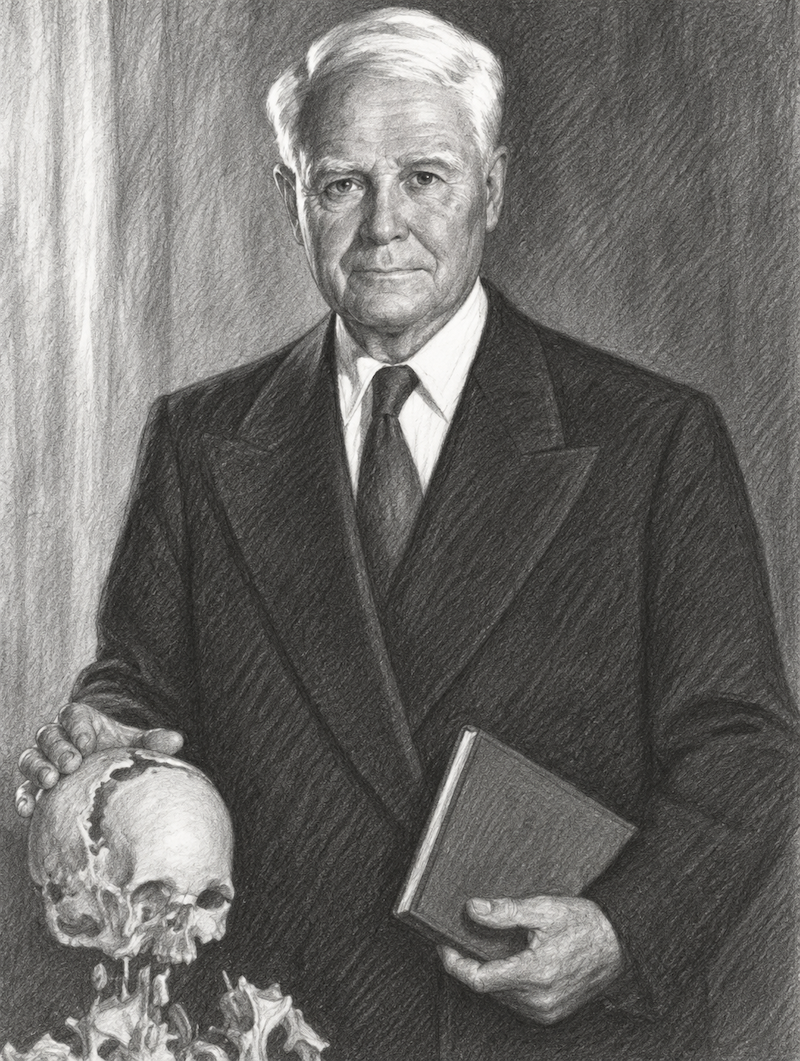
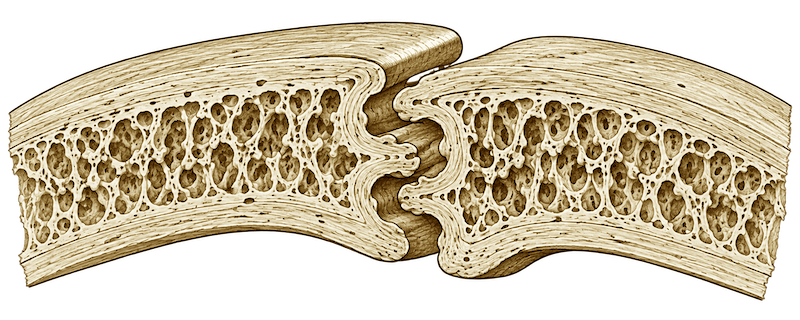
William Garner Sutherland, DO (1873-1954), discovered, developed, and taught Osteopathy in the Cranial Field in the early to mid-1900s. While looking at a mounted human skull in Kirksville, MO, while attending the American School of Osteopathy (now AT Still University), Dr. Sutherland noticed that two bones came together at the suture (articulation) in a way that reminded him of the gills of a fish. Those bones were the parietal and temporal bones. That suggested to him that there might be motion in the bones of the head. Until that time, most anatomists taught that the head bones were fused. Dr. Sutherland was the first to perceive a subtle palpable movement within the bones of the cranium. He later discovered that this rhythmic fluid movement occurs throughout all tissues of the body. The “Primary Respiratory Mechanism,” as it was named, underlies all of the body's metabolic processes. It gives life, form, and substance to all of anatomy and physiology. It drives all functions of the body.
The hands of a skilled osteopathic physician can connect directly with the primary respiratory mechanism and utilize it to bring about changes in the body. Physicians trained in Cranial Osteopathy can place their hands on any part of the patient to perceive and influence this important mechanism. There is a dynamic interaction occurring during treatment where the D.O. senses mechanical restriction and obstructed fluid flow, makes a diagnosis, and then facilitates release. It may be applied for the prevention and treatment of disease and enhancement of health. Do not confuse it with craniosacral therapy, which some massage and physical therapists practice. Cranial Osteopathy is far more powerful.
Cranial Osteopathy is helpful in treating headaches, head injuries, infants who have had difficult deliveries (strain to the head), plagiocephaly (asymmetric head), ear infections and sinus infections, and many more ailments. It has been performed with positive results for: otitis media, pregnancy, labor and delivery, seizure disorders, neurologic deficits, learning problems, dental problems, normalization of blood flow, and normalization of autonomic function, to name just a few. It is especially helpful for infants and newborns in relieving sleeplessness and colic.
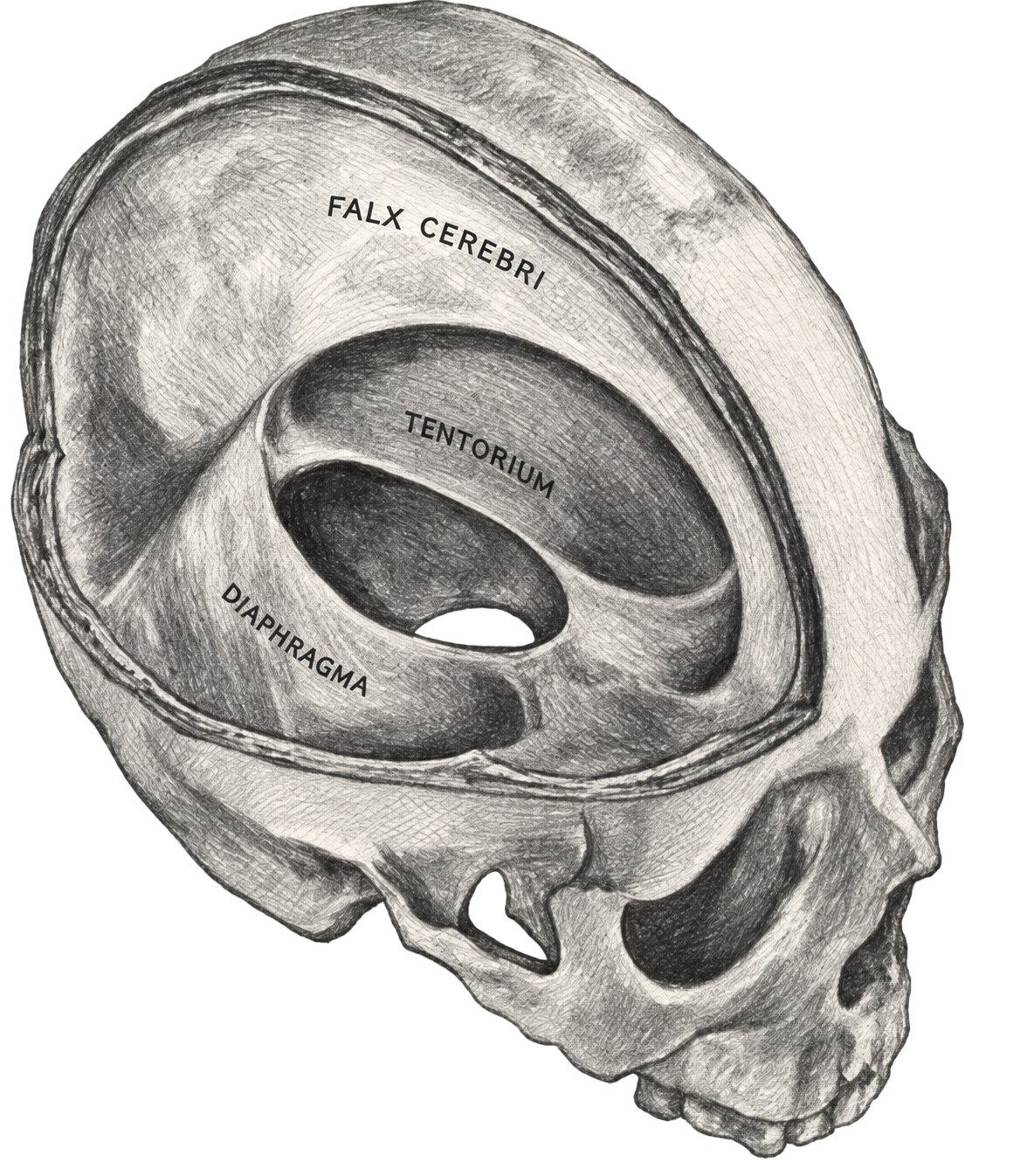
When diagnosis and treatment are done on the head, it addresses general patterns and specific restrictions that are present in the cranial membranes, between the cranial bones, within the bones (especially in infants and children when some bones are not fully formed), within areas of the brain, and in the fluids in the head (blood and cerebrospinal fluid). A D.O. specializing in Cranial Osteopathy will not treat just the head; he or she will treat the pelvis, the sacrum, the vertebrae, and ribs too. This broad approach allows a full evaluation and treatment of the complex human body and can help identify the underlying cause of a patient’s condition.